Source Drywall Partition Machine for Indoor, Outdoor, and Industry
Compare 30 drywall partition machine listings from verified suppliers. Buyers can evaluate specifications like forming speed, motor power, and material thickness for indoor, outdoor, and industrial applications. These machines support cold drawn steel forming with hydraulic pressure and bolt connections suitable for wall stud and ceiling partition projects.
Key considerations
Products List




Comprehensive Sourcing Guide
Drywall Partition Machine Sourcing Guide
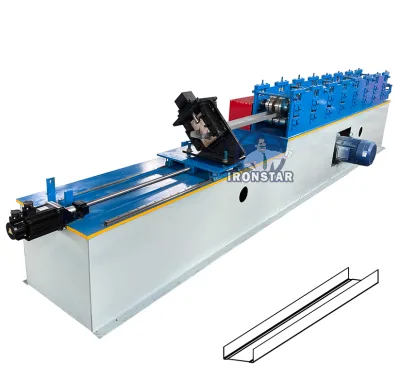
Procuring a drywall partition machine requires careful attention to the specific forming capabilities and material compatibility of the equipment. The observed market data indicates that these machines often utilize hydraulic pressure transmission methods to ensure consistent forming steps, typically ranging up to fourteen distinct operations. Buyers must verify that the machine's forming speed, which can vary between zero and twenty meters per minute, aligns with their production targets. Additionally, the equipment is frequently designed for cold drawn steel processes, ensuring the structural integrity of the light section steel components used in partition systems.
The physical dimensions and weight of the machinery are critical factors for logistics and factory floor planning. Units observed in the market can weigh approximately 2000 kilograms, necessitating robust foundation support and specialized lifting equipment for installation. The standard footprint often measures around 5500 by 1100 by 1400 millimeters, which must be accommodated within the available workspace. Furthermore, the customization options available allow buyers to tailor the machine to specific project requirements, such as varying wall stud configurations or ceiling application needs, ensuring the equipment meets precise operational demands.
Product Scope and Observed Listing Signals
The product scope for drywall partition machines encompasses a variety of configurations designed for both indoor and outdoor industrial applications. Listings frequently highlight the use of colored steel and galvanized steel materials, with zinc coating levels ranging from Z60 to Z275 to ensure durability against corrosion. These machines are specifically engineered to handle material thicknesses between 1.2 and 1.6 millimeters, utilizing Q235gi steel grades for optimal performance. The versatility of these units allows them to serve as essential tools for creating partition and ceiling structures in residential and commercial settings.
Market signals indicate a wide range of product models, such as YX38-68 and YY431, each tailored to different structural requirements. Buyers should note that some listings describe the equipment as transport machinery or weighing equipment, suggesting a broader utility beyond simple partition forming. The presence of single-layer structures and specific connection forms, such as bolt connections, further defines the scope of these machines. Understanding these signals helps buyers distinguish between general-purpose forming units and specialized equipment designed for complex construction projects involving wall studs and light section steel.
Technical Specifications to Verify
Verifying the motor power and productivity rates is essential for ensuring the machine meets production volume requirements. Observed specifications include motor powers of 7.5kw and 3kw, which directly influence the machine's ability to maintain consistent forming speeds. Productivity figures can range from 150 to 180 square meters per hour, depending on the specific model and operational settings. Buyers must confirm that the feeding height, often around 1400 millimeters, matches the material handling capabilities of their existing supply chain to prevent bottlenecks in the production line.
The forming process and structural design of the machine also require detailed verification to ensure compatibility with project standards. The hydraulic machining process and rotor-type structures are common features that affect the precision of the final product. Buyers should check the vibrating amplitude, which may be around 2.2 millimeters, to ensure it does not compromise the stability of the forming operation. Additionally, the standard production capacity of 30 to 50 meters per minute must be validated against the specific demands of the intended application, whether for warehouse construction or villa partitioning.
Compliance and Safety Documentation
Compliance with international standards is a non-negotiable aspect of sourcing drywall partition machines to ensure operational safety and legal adherence. The market data confirms that many units carry CE certification, indicating conformity with health, safety, and environmental protection standards for products sold within the European Economic Area. Buyers should also look for ISO certification, which validates the manufacturer's quality management systems and ensures consistent production processes. These certifications are critical for mitigating risks associated with machinery operation and ensuring that the equipment meets rigorous safety protocols.
In addition to certifications, verifying adherence to specific material and structural standards is vital for long-term reliability. The observed listings reference standards such as GB, ASTM, DIN, JIS, AISI, and BS, which govern the quality of the steel and the construction of the machine. Buyers must ensure that the machine's output, including the carbon structural steel and galvanized steel components, aligns with these recognized standards. Documentation proving compliance with these standards provides assurance that the equipment will perform reliably in demanding industrial environments and meet the regulatory requirements of the target market.
Cost Drivers and Commercial Terms
The cost of drywall partition machines is influenced by several key factors, including the level of customization, material specifications, and production capacity. Units with advanced hydraulic systems and higher forming speeds typically command higher prices, reflecting the complexity of the engineering involved. The observed price range in the market spans from 0.3 to 5,000,000 USD, indicating a significant variation based on the machine's capabilities and the extent of customization required. Buyers should carefully evaluate the trade-off between initial investment and long-term operational efficiency when selecting a model.
Commercial terms, such as minimum order quantities and packaging requirements, also play a significant role in the total cost of acquisition. The observed MOQ ranges from 1 to 1000 units, offering flexibility for both small-scale projects and large industrial deployments. Packaging is typically provided in bundles, pallets, or wooden crates to ensure safe transportation, which can impact shipping costs. Buyers must negotiate clear terms regarding lead times and delivery conditions, as the origin of the machine, whether from Fujian or Hangzhou, can affect logistics expenses and the overall timeline for project implementation.
Supplier Qualification and Quality Control
Supplier qualification is paramount when sourcing drywall partition machines to ensure the reliability and longevity of the equipment. Buyers should prioritize suppliers who demonstrate a proven track record in manufacturing hydraulic forming machinery and who provide comprehensive after-sales support. The origin of the machine, often from regions like Fujian or Hangzhou in China, can be an indicator of the supplier's specialization in steel processing equipment. Verifying the supplier's production capacity and history of delivering units that meet international standards is essential for minimizing procurement risks.
Quality control measures must be rigorously applied to ensure that the delivered machines meet the specified technical requirements. Buyers should request detailed inspection reports that verify the machine's weight, dimensions, and performance metrics against the agreed-upon specifications. The condition of the machine, typically listed as new, should be confirmed through pre-shipment inspections to prevent the delivery of refurbished or damaged units. Establishing a clear quality control protocol with the supplier, including acceptance criteria for forming speed and motor power, ensures that the final product aligns with the buyer's operational expectations.
Long-Term Procurement Checks
Long-term procurement checks involve monitoring the machine's performance and maintenance requirements to ensure sustained operational efficiency. Buyers should establish a schedule for regular inspections of critical components, such as the hydraulic system and forming rollers, to prevent unexpected downtime. The observed forming speed and productivity rates should be periodically measured to confirm that the machine continues to operate within the specified parameters. Proactive maintenance planning is essential for extending the lifespan of the equipment and maintaining high-quality output for partition and ceiling applications.
Additionally, buyers must assess the availability of spare parts and technical support to address any potential issues that may arise during the machine's lifecycle. The customization options and specific material requirements, such as the use of Q235gi steel, should be documented to ensure compatibility with future projects. Regular reviews of the machine's performance data can help identify trends that may indicate the need for upgrades or adjustments. By maintaining a proactive approach to procurement and maintenance, buyers can ensure that their drywall partition machines remain a valuable asset for years to come.
FAQs
What is the forming speed of the drywall partition machine?
The forming speed ranges from 0 to 20 meters per minute. This variable speed allows operators to adjust production rates based on material thickness and desired finish quality. It ensures efficient processing for various light section steel applications while maintaining structural integrity during the cold drawing process.
Can the machine be customized for specific projects?
Yes, customization is available for this equipment. Buyers can tailor specifications to match unique production requirements, including specific forming steps and motor power adjustments. This flexibility ensures the machine integrates seamlessly into existing workflows and meets precise industry standards for partition and ceiling applications.
What certifications does the drywall partition machine hold?
The machine holds CE certification, ensuring compliance with European safety and quality standards. Additionally, ISO certification is available for certain models. These credentials verify that the equipment meets rigorous industrial requirements, providing buyers with confidence in the machine's operational safety and manufacturing reliability for global deployment.
What is the weight and power consumption of the unit?
The machine weighs approximately 2000 kilograms and operates with a 7.5kw motor. Some variants may utilize a 3kw power configuration depending on the specific model. This power rating supports hydraulic pressure transmission, ensuring consistent performance for processing materials like Q235gi with thicknesses between 1.2 and 1.6mm.
Where is the drywall partition machine manufactured?
The machine is manufactured in Fujian, China, with some production also occurring in Hangzhou. These locations are key industrial hubs for steel processing equipment. Buyers can expect reliable supply chain logistics from these regions, ensuring timely delivery and access to established manufacturing networks for bulk orders and spare parts.
What materials can the machine process effectively?
The machine processes galvanized steel, including Q235gi and Dx51d types, with zinc coatings ranging from Z60 to Z275. It is designed for cold-drawn steel forming, handling thicknesses from 1.2 to 1.6mm. This versatility supports the production of wall studs and light section steel for indoor and outdoor applications.